
Today: 9:00AM - 8:00PM
Search Sell/Trade Financing
Today: 9:00AM - 8:00PM
Blog / Kia Dealer

Kia Sportage Hybrid vs Sportage Plug-in Hybrid near Huntingdon Valley, PA: Which Electrified SUV Fits Your Drive?

2026kiasportagehybrid-exterior-01
Kia Sportage Hybrid vs Sportage Plug-in Hybrid near Huntingdon Valley, PA: Which Electrified SUV Fits Your Drive?

Matt Blatt Kia of Abington - Kia Sportage Hybrid vs Sportage Plug-in Hybrid near Huntingdon Valley, PA: Which Electrified SUV Fits Your Drive?

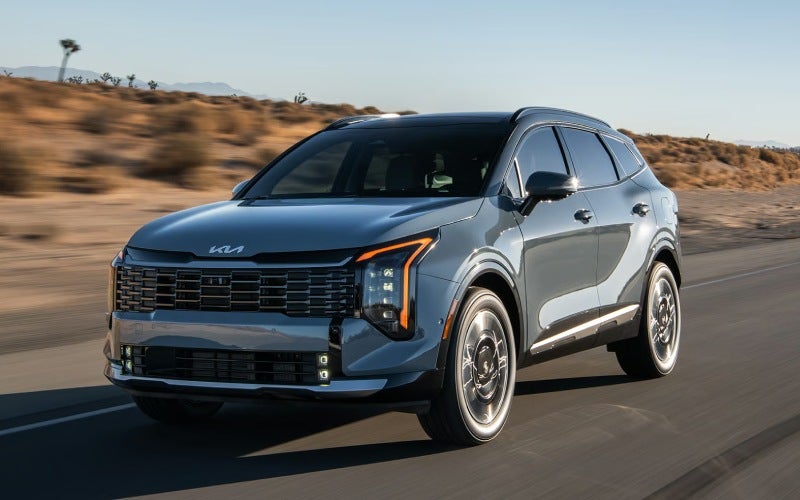
If you live near Huntingdon Valley, PA and want a compact SUV that is efficient, comfortable, and easy to live with, the Kia Sportage Hybrid and Kia Sportage Plug-in Hybrid are two of the smartest places to start. Both bring the everyday practicality people expect from the Sportage lineup, including generous passenger room, versatile cargo space, modern connectivity, and available confidence-building driver-assistance features. The key difference is how each one fits your driving routine.

At Matt Blatt Kia of Abington, we often talk with local shoppers who commute along Huntingdon Pike, head toward Jenkintown or Abington for errands, take the PA Turnpike for work, or split time between suburban roads and trips into Philadelphia. For those drivers, the choice between a hybrid and plug-in hybrid is not just about fuel economy. It is about whether you want a no-plug routine, whether you can charge at home, how often you drive short distances, and how much you value extra electric-only capability.

The good news is that both versions are designed to make electrified driving feel approachable. The Sportage Hybrid automatically recharges its hybrid battery through normal driving and braking, so you simply fuel up and go. The Sportage Plug-in Hybrid adds a larger battery and can travel an estimated 34 miles on all-electric power before operating like a hybrid, making it especially appealing if many of your drives are short and local. Let’s break down how to choose the better fit for your life near Huntingdon Valley.

What Is the Main Difference Between the Sportage Hybrid and Sportage Plug-in Hybrid?

The Kia Sportage Hybrid is the easier transition if you want improved efficiency without changing your routine. Its turbocharged hybrid powertrain uses gas and electric power together, and regenerative braking helps recharge the battery as you drive. There is no charging cable to manage and no need to install home charging equipment. For a lot of drivers near Huntingdon Valley, that simplicity is a major benefit.

The Kia Sportage Plug-in Hybrid, often called the Sportage PHEV, gives you more electric driving ability. When charged, it can handle many short drives using electric power first. After the electric range is used, it continues operating with hybrid efficiency. The plug-in hybrid also brings stronger total system output, with Kia listing a turbocharged plug-in hybrid powertrain with 268 horsepower, compared with 232 horsepower for the Sportage Hybrid. If you like the idea of a quieter electric drive around town but still want gasoline flexibility for longer trips, the Sportage Plug-in Hybrid makes a strong case.

Which One Makes More Sense for Huntingdon Valley Commuters?

Think about your normal week. If your driving includes a mix of quick errands around Huntingdon Valley, school drop-offs, trips toward Willow Grove or Roslyn, and occasional commutes into Philadelphia, either SUV can work well. The deciding factor is charging access. If you do not have a reliable place to plug in at home or work, the Sportage Hybrid is likely the more convenient choice because it delivers hybrid benefits automatically.

If you have a driveway, garage, or regular access to a Level 1 or Level 2 charger, the Sportage Plug-in Hybrid becomes more compelling. Kia notes that the Sportage Plug-in Hybrid can be topped off using a basic Level 1 charger at home, while Level 2 charging can refill the battery more quickly. That means many local trips near Huntingdon Valley could begin with electric range available, which can reduce how often you stop for gas during your normal routine.

  • Choose the Sportage Hybrid if: You want an efficient SUV with no charging required, simple ownership, strong cargo space, and available AWD with Multi-Terrain Mode.
  • Choose the Sportage Plug-in Hybrid if: You can charge regularly and want the flexibility to drive many short local trips on electric power before using gasoline.
  • Choose the Sportage Hybrid if: You park on the street, live in a condo or apartment without charging, or prefer a traditional fuel-up routine.
  • Choose the Sportage Plug-in Hybrid if: Your daily mileage often falls within the estimated electric range and you want more total system power.

Space, Seating, and Cargo: Both Sportage Models Stay Practical

One reason the Sportage lineup is so popular with local SUV shoppers is that efficiency does not come at the expense of everyday usability. Kia highlights class-leading cargo room and rear seat legroom for the Sportage family, which matters when your SUV needs to handle more than commuting. Think grocery runs along Welsh Road, a stroller and sports bags, home improvement supplies, luggage for a weekend away, or a back seat full of passengers heading toward the city.

The Sportage Hybrid keeps the cabin open and functional while using an intentional hybrid design. The Sportage Plug-in Hybrid also offers strong utility, with Kia noting class-leading cargo room and rear seat legroom for that model as well. For families, couples, and active drivers near Huntingdon Valley, that means you do not have to choose between an electrified powertrain and an SUV that can support daily life.

AWD and Road Confidence Around Montgomery County

Huntingdon Valley drivers see a little bit of everything: neighborhood streets, sloped driveways, busy shopping centers, turnpike ramps, and roads that can get messy during heavy rain or winter weather. The Sportage Hybrid offers available active all-wheel drive with Multi-Terrain Mode, including settings for snow, mud, and sand in certain situations. The Sportage Plug-in Hybrid goes a step further by offering standard all-wheel drive with Terrain Mode.

If AWD is high on your priority list, both models deserve a test drive. The Sportage Hybrid X-Line adds adventure-ready style and capability cues such as AWD with Terrain Mode, high-utility roof rails, and available technology features. The Sportage Plug-in Hybrid comes focused around X-Line style and capability, giving drivers a confident foundation right from the start. For drivers who regularly travel between Huntingdon Valley, Abington, and surrounding suburbs, that added traction can make day-to-day driving feel more composed.

Technology and Driver-Assistance Features

Both Sportage electrified models bring the kind of cabin technology that makes a real difference in suburban driving. Available Dual Panoramic Displays help place navigation, entertainment, and vehicle information within easy reach. Standard wireless Apple CarPlay and wireless Android Auto help keep your apps accessible without extra cable clutter. Available wireless phone charging, premium audio, and a Head-Up Display add convenience for drivers who spend a lot of time behind the wheel.

Parking and lane-changing confidence are also important around tight lots, school pickup lanes, and busy commercial areas. Kia offers available features like a 360-degree Surround View Monitor, Blind-Spot View Monitor, Blind-Spot Detection Technology, Rear Cross-Traffic Collision-Avoidance Assist, Parking Distance Warning, and Highway Driving Assist 2 on select Sportage models. These systems are designed to support the driver, not replace attention, but they can be especially helpful when traffic is heavy or visibility is limited.

  • For parking confidence: Look for available 360-degree Surround View Monitor and Parking Distance Warning.
  • For highway commuting: Consider available Highway Driving Assist 2 and Navigation-Based Smart Cruise Control with Stop and Go.
  • For busy lane changes: Available Blind-Spot View Monitor and Blind-Spot Detection Technology can help increase awareness.
  • For daily connectivity: Wireless Apple CarPlay, wireless Android Auto, and available wireless charging help simplify every drive.

Charging Questions: Is the Plug-in Hybrid Worth It?

The Sportage Plug-in Hybrid is worth a close look if you can plug in regularly. Its estimated 34 miles of all-electric range can be useful for short drives around Huntingdon Valley, errands in Abington, or commuting to nearby workplaces. If you charge overnight, you may start many days with electric range ready to use. For longer drives, the gasoline engine gives you the flexibility many shoppers still want.

If charging would feel inconvenient, the Sportage Hybrid may be the better match. It gives you hybrid efficiency without asking you to change where you park, install equipment, or think about charging schedules. For many shoppers, that simplicity is exactly what makes the hybrid so appealing.

How Matt Blatt Kia of Abington Helps You Compare

At Matt Blatt Kia of Abington, we make it easy to compare electrified Kia models side by side. You can browse our new Kia inventory online, explore EV and hybrid options, value your trade, apply for pre-approval, and use our digital tools before visiting us in Roslyn. We also offer a transparent finance experience with access to many trusted lenders, so you can compare buying and leasing options with clarity.

If you are near Huntingdon Valley, our location at 1515 Easton Road in Roslyn is convenient for a closer look at the Sportage Hybrid, Sportage Plug-in Hybrid, and other Kia SUVs. We can walk you through trim differences, charging basics, AWD availability, cargo needs, and driver-assistance features without pushing you toward a one-size-fits-all answer. Our goal is to help you choose the Kia that fits your real routine.

Frequently Asked Questions:

Do I have to plug in the Kia Sportage Hybrid?

No. The Sportage Hybrid does not need to be plugged in. Its hybrid battery is recharged automatically through normal driving and regenerative braking.

How is the Kia Sportage Plug-in Hybrid different?

The Sportage Plug-in Hybrid has a larger battery that can be charged from an external power source. When charged, it can drive an estimated 34 miles on electric power before continuing as a hybrid.

Which Sportage is better if I do not have home charging?

The Sportage Hybrid is usually the better fit if you do not have easy charging access. It gives you hybrid efficiency without requiring a charger.

Does the Sportage Plug-in Hybrid have AWD?

Yes. The Sportage Plug-in Hybrid offers standard all-wheel drive with Terrain Mode, which can help with traction and stability in varied road conditions.

Can Matt Blatt Kia of Abington help me compare both models near Huntingdon Valley, PA?

Yes. We can help you compare features, trims, financing options, trade-in value, and driving needs so you can decide whether the Sportage Hybrid or Sportage Plug-in Hybrid is the better match.
Request more information

Posted in:

Related Posts

2027kiacarnivalmpvhybrid-exterior-01

How Diagnostic Service Helps Abington, PA Drivers Understand Warning Lights

Matt Blatt Kia of Abington - How Diagnostic Service Helps Abington, PA Drivers Understand Warning Lights Dashboard warning lights can be frustrating because a small symbol can raise big questions. Is the vehicle safe to drive? Does the light mean routine maintenance is overdue? Could the issue affect fuel economy, emissions performance, starting ability, braking, or charging? For Abington, PA drivers who rely on a vehicle for daily errands, school routes, medical appointments, and commutes toward Philadelphia, fast and accurate answers matter. That is where professional diagnostic service helps. A modern vehicle monitors hundreds of conditions through sensors, modules, wiring, and control systems. When something falls outside the expected range, a warning light or stored trouble code can appear. The code is a starting point, not the full answer. Our service process is designed to connect the warning light to the real concern, then explain next steps in clear language. Why Warning Lights Need More Than a Quick Code Read A scan tool can retrieve a code, but a code can have several possible causes. For example, a check engine light related to fuel mixture may involve an oxygen sensor, intake leak, dirty air filter, mass airflow concern, fuel delivery issue, or wiring problem. A charging system warning may involve the battery, alternator, belt, connection corrosion, or low voltage caused by short trips. A tire pressure light may mean a low tire, a damaged tire, a temperature-related pressure change, or a tire pressure monitoring system sensor concern. Abington roads include neighborhood streets, busy intersections, and routes that connect quickly to Jenkintown, Roslyn, Glenside, and Rydal, so drivers often experience a mix of low-speed driving and faster traffic. That variety can make early symptoms appear inconsistently, which is another reason a careful diagnostic inspection is helpful. Check engine light: This warning may involve emissions, ignition, fuel delivery, sensors, or engine management. Battery warning: This light can point to low voltage, charging system trouble, battery age, or connection concerns. Brake warning: This warning may relate to brake fluid level, parking brake position, brake system wear, or inspection needs. TPMS warning: This light may indicate low tire pressure, a puncture, tire wear, or a sensor issue. Coolant temperature warning: This warning deserves prompt attention because overheating can lead to serious engine damage. Professional diagnostics also help prevent unnecessary parts replacement. Replacing a sensor without checking wiring, fluid condition, voltage, or related data can leave the original concern unresolved. Our technicians review scan data, maintenance history, visual clues, and live system readings. When a warning is connected to maintenance, we can review items such as oil condition, filters, spark plugs, coolant, tires, batteries, and brake components. When a concern requires deeper repair, we can explain how the system works and why a recommended service matters. What Happens During a Diagnostic Appointment A diagnostic appointment usually begins with a conversation. We ask what light appeared, when it came on, whether it flashed, and what symptoms you noticed. Did the vehicle hesitate while merging? Did the steering feel different? Was there a slow start in the morning? Did the light appear after refueling? Details like these help guide the inspection. Next, our technicians retrieve diagnostic trouble codes and freeze-frame data, which can show what the vehicle was doing when the fault was recorded. From there, we inspect related systems rather than jumping straight to replacement. A battery test may be paired with a charging system check. A misfire code may lead to ignition, fuel, compression, and wiring checks. A coolant concern may involve hoses, clamps, radiator components, thermostat operation, water pump condition, or visible leaks. For Kia owners, our factory-trained service background is especially valuable because Kia models use specific procedures, components, and software logic. Vehicles such as Sportage, Sorento, Telluride, Seltos, K4, K5, Carnival MPV, Niro, EV6, and EV9 each have distinct service needs. We use genuine Kia parts when a Kia repair calls for replacement components, which helps support proper fit and dependable performance. Our parts center can also assist with maintenance-related items such as air filters, oil filters, brake pads, rotors, wiper blades, batteries, lighting, belts, cooling system components, and tire accessories. For non-Kia vehicles, our team can still perform many diagnostic and maintenance services because our service center works on most makes and models. When You Should Stop Driving and Schedule Service Quickly Some warning lights allow a short drive to a service appointment, while others call for immediate caution. A flashing check engine light is one of the most important examples because it may indicate an active misfire that can damage emissions components. A coolant temperature warning also deserves quick attention because overheating can harm the engine. Brake warnings, oil pressure warnings, and charging system warnings should never be ignored. If your vehicle smells hot, loses power, shakes heavily, smokes, leaks fluid, or makes grinding or knocking sounds, it is safer to stop driving and ask for guidance. Flashing check engine light: Reduce driving and schedule service promptly to help avoid further damage. Overheating warning: Pull over safely when possible and avoid continuing with a hot engine. Oil pressure warning: Stop driving as soon as it is safe because engine lubrication may be compromised. Brake warning with pedal changes: Avoid unnecessary driving if the pedal feels soft, low, or unresponsive. Battery light with electrical issues: Schedule service quickly because the vehicle may stall or fail to restart. Routine maintenance can lower the chance of warning-light surprises. Oil changes help protect the engine. Tire rotations promote even tread wear and stable handling. Battery inspections can reveal weak reserve capacity before a no-start situation. Brake inspections can identify pad wear, rotor concerns, or fluid issues before stopping performance changes. Cooling system service helps protect against overheating. Wiper replacement improves visibility, and replacing both blades together is often best because wipers tend to wear at a similar rate. Many Kia vehicles benefit from service every 5,000-7,500 miles, although the right interval depends on model, mileage, driving habits, and factory guidance. Frequently Asked Questions: Can a dashboard light turn off before my appointment? Yes. A light can turn off if the condition is no longer active, but a stored code may remain in memory. A diagnostic visit can still help identify whether the concern needs attention. Do you need an appointment for diagnostic service? Scheduling is recommended for diagnostics because proper testing may require time with a technician, scan equipment, inspections, and verification. Routine maintenance may qualify for Express Service based on the service needed. Can old maintenance parts cause warning lights? Yes. Worn spark plugs, dirty filters, weak batteries, aging belts, low fluids, tire pressure issues, and cooling system concerns can all contribute to warning lights or drivability symptoms. Does the service center work on EVs? Yes. Our service team works on EVs and can help with many electric vehicle service needs. Diesel vehicles are not part of our service offering. If a warning light appears during your Abington, PA routine, our service team can help you understand what is happening and what to do next. Use our online scheduler or call our Service & Parts team to arrange a diagnostic visit. We will review your concerns, inspect the right systems, explain the findings clearly, and help you return to local driving with greater confidence. Request more information

2027kiatelluride-exterior-01

Coolant Warning Signs and Cooling System Service for Rydal, PA Drivers

Matt Blatt Kia of Abington - Coolant Warning Signs and Cooling System Service for Rydal, PA Drivers Cooling system service is one of the most important maintenance items many drivers do not think about until a temperature gauge rises, a warning light appears, or a sweet smell starts coming from under the hood. For drivers in Rydal, PA, daily trips can involve a mix of neighborhood roads, steady traffic near Old York Road, school and work commutes, and longer drives toward Abington, Jenkintown, Roslyn, and Philadelphia. That variety matters because a vehicle cooling system works constantly, even during ordinary errands. Coolant helps regulate engine temperature, protect internal components, prevent corrosion, and support heater performance. When coolant becomes contaminated, low, or unable to protect the system properly, small problems can become expensive repairs if ignored. What Coolant Does for Your Vehicle Coolant does more than keep an engine from overheating. It circulates through the engine, radiator, hoses, thermostat, heater core, and water pump, helping transfer heat away from critical components. It also contains additives that help reduce corrosion inside the cooling system. Over time, those additives can break down, and the fluid can become less effective. This is why cooling system service is not just about topping off a reservoir. A proper inspection can check coolant level, fluid condition, hose condition, radiator performance, pressure concerns, and visible leaks. If your vehicle is a Kia hybrid, EV-supporting thermal systems and model-specific maintenance needs may require trained attention, which is why professional service is so valuable. Warning Signs Rydal Drivers Should Not Ignore Cooling system issues can show up in several ways. Some signs feel obvious, while others are subtle. A temperature warning light or gauge reading higher than normal should be taken seriously right away. A puddle beneath the vehicle, especially one with a bright color or sweet odor, can point to coolant leakage. Steam from under the hood, reduced heater performance, or repeated low coolant levels can also indicate a problem. Drivers around Rydal who take many short trips may notice symptoms slowly, because the vehicle may not always run long enough for a weak component to fail dramatically. That makes routine inspection helpful before longer drives or busy weeks. Rising temperature gauge: This can indicate low coolant, thermostat trouble, radiator restriction, fan issues, or water pump concerns. Sweet smell near the vehicle: Coolant has a distinct odor, and the smell may point to a leak or evaporation from hot surfaces. Visible fluid under the vehicle: Green, pink, orange, or blue fluid may be coolant depending on the vehicle and fluid type. Heater performance changes: Weak cabin heat can sometimes connect to coolant level, heater core flow, or air in the system. Repeated top-offs: Coolant should not disappear quickly, so frequent refilling should be inspected by a technician. Why Professional Cooling System Service Matters A cooling system can involve more than one failure point. Replacing coolant without inspecting hoses, clamps, radiator condition, thermostat operation, pressure levels, and cooling fans may miss the true cause of a concern. Our factory-trained technicians can evaluate the system and recommend the right next step based on your vehicle, mileage, and symptoms. We service all makes and models, and Kia owners benefit from experience with Kia systems, maintenance schedules, and genuine OEM parts when replacement components are needed. For example, the right coolant type matters because mixing incompatible coolant can reduce protection or create deposits inside the system. Professional service helps protect the engine and keeps maintenance aligned with manufacturer guidance. Drivers in Rydal often use vehicles for practical daily needs: commuting to work, picking up groceries, heading to medical appointments, visiting family, or connecting to nearby stations and major routes. A cooling issue can interrupt any of those plans quickly. An overheating engine should not be driven for long, because excess heat can damage gaskets, seals, hoses, and internal engine components. If a warning light appears or steam is visible, pulling over safely and calling for assistance is usually the smartest step. If the concern is mild, such as a low reservoir or faint odor, scheduling service promptly can help prevent a roadside problem. Coolant Service and Other Maintenance Checks Cooling system service pairs well with other preventative maintenance because many vehicle systems work together. During an oil change or multi-point inspection, technicians may notice coolant level, hose condition, belt wear, corrosion, or signs of leakage. Battery health can also matter because modern vehicles rely on electronics and sensors to help manage fan operation and temperature monitoring. Tires, brakes, wipers, filters, and fluids all contribute to safe, dependable driving, so combining maintenance checks can save time and provide a clearer picture of vehicle condition. If your vehicle is due for routine service, ask about coolant condition rather than waiting for a dashboard warning. Check your owner’s manual for the recommended coolant service interval. Look for puddles, odors, steam, or unusual temperature readings. Avoid opening the coolant cap when the engine is hot. Schedule an inspection if coolant level drops repeatedly. Use the correct coolant type recommended for your vehicle. Frequently Asked Questions: Can I just add water if my coolant is low? Water may help in an emergency, but it is not a long-term substitute for the correct coolant mixture. Coolant provides corrosion protection, boiling protection, and freezing protection that plain water cannot deliver properly. How often should coolant be changed? The interval depends on the vehicle, coolant type, mileage, and driving conditions. Your owner’s manual provides the best starting point, and our service team can check fluid condition during maintenance. Is it safe to drive with a coolant warning light on? A coolant or temperature warning should be treated seriously. If the temperature is high, steam is visible, or the vehicle is overheating, stop safely and seek assistance before driving farther. Do hybrids and EVs need cooling system service? Many hybrid and electric vehicles use thermal management systems that require proper inspection and maintenance. Service needs vary by model, so professional guidance is important. If you drive in Rydal, PA and have noticed a coolant smell, rising temperature gauge, repeated low coolant level, or heater performance change, our service team is ready to help. We offer professional cooling system inspections, routine maintenance, diagnostics, genuine parts support, and service for all makes and models. Schedule your next visit online or contact our Service and Parts team to keep your vehicle running confidently around Rydal, Abington, Roslyn, Jenkintown, and beyond. Request more information

2027kiaseltos-exterior-01

Kia Lighting Parts and Exterior Visibility Upgrades for Keswick, PA Drivers

Matt Blatt Kia of Abington - Kia Lighting Parts and Exterior Visibility Upgrades for Keswick, PA Drivers Good lighting is one of the most practical parts needs for local drivers, especially around Keswick, PA, where short neighborhood trips, angled parking areas, busy pedestrian zones, and evening traffic can make visibility a daily priority. Headlights, tail lights, turn signals, side marker lights, fog lamps where equipped, and related housings all work together to help your Kia communicate clearly on the road. When one lighting component becomes dim, cracked, fogged, or inconsistent, it can affect confidence behind the wheel and the way other drivers see your vehicle. That is why our parts department focuses on accurate fitment, genuine Kia quality, and practical guidance instead of guesswork. Kia lighting parts are not one-size-fits-all. A Sportage headlamp assembly can differ from a Sorento assembly, and equipment may vary by model year, trim, bulb type, lighting technology, and body style. Even small changes in connector design, lens shape, mounting points, or module compatibility can create a mismatch if the part is selected only by appearance. Our online parts center allows shoppers to search by VIN, part number, or keyword, which is especially helpful for lighting components. VIN lookup helps identify factory equipment so your replacement headlight, tail light, turn signal, or side marker part matches the vehicle as built. Why Lighting Parts Matter Beyond Basic Visibility Many drivers think about lighting only after a bulb goes out, but exterior lights support several everyday driving needs. Clear headlights help illuminate lane markings, road edges, driveway entrances, and parked vehicles. Tail lights and brake lights help communicate slowing and stopping. Turn signals help other motorists understand lane changes and turns before movement begins. Side marker lights improve vehicle visibility from angles, which can matter in parking lots, along residential streets, and near business districts. For Kia owners who commute through Glenside, Abington, Jenkintown, Roslyn, or Philadelphia, strong exterior lighting can make routine driving feel more predictable. Headlights: Help forward visibility and support driver confidence during nighttime or low-light travel. Tail lights: Help traffic behind your Kia recognize vehicle position and movement. Brake lights: Communicate deceleration and stopping to following traffic. Turn signals: Indicate planned lane changes, turns, and parking maneuvers. Side marker lights: Improve visibility from the side and help outline vehicle position. Lighting housings and lenses: Protect bulbs or modules while maintaining proper light output and appearance. Lighting condition can also affect overall vehicle appearance. Cloudy lenses, cracked housings, moisture inside assemblies, or mismatched replacement parts can make a vehicle look older than it is. More importantly, these concerns can reduce light clarity or create inconsistent illumination. If your Kia has a damaged lens after a parking lot bump or a broken mounting tab after minor exterior contact, replacing the correct auto-body or lighting component can help restore both function and finish. Our parts catalog includes lighting categories such as headlights, tail lights, instrument panel lighting, turn signals, and side marker lights, along with exterior categories including bumpers and parts, mouldings and trim, fenders, grilles, and mirrors. Common Signs You May Need Kia Lighting Parts Some lighting problems are obvious, such as a lamp that does not turn on. Other concerns show up gradually. A driver may notice one side looks dimmer than the other, a turn signal blinks quickly, a headlight beam pattern looks uneven, or a lens has condensation that keeps returning. If a light assembly has impact damage, the part may still illuminate but no longer seal properly. That can allow moisture to enter, creating future electrical or visibility concerns. A professional inspection can identify whether the solution is a bulb, fuse, wiring diagnosis, socket, lens, or complete assembly. Fast turn signal blinking: Often points to a bulb or circuit issue that deserves attention. Persistent condensation: May indicate a compromised seal or damaged housing. Cracked lens surface: Can reduce clarity and allow dirt or moisture into the assembly. Dim or uneven output: May result from an aging bulb, lens condition, or electrical concern. Warning message or dashboard alert: Some Kia models can detect lighting-related issues and display a notice. For drivers in Keswick, small exterior damage can happen during routine parking, tight driveway turns, or low-speed contact near curbs and crowded lots. When that happens, it helps to work with a parts department that understands both lighting and exterior component fitment. A broken tail light may require more than the visible lens. A bumper trim piece, bracket, clip, wiring connector, or seal may also be involved. Ordering the right supporting pieces at the same time can prevent delays and help the finished repair look clean. OEM Fitment Helps Avoid Lighting Guesswork Genuine Kia lighting components are designed to match factory specifications for shape, mounting, connector compatibility, beam pattern, and finish. That accuracy matters because lighting is both functional and highly visible. A poor-fitting lamp may leave uneven gaps, create vibration, allow moisture intrusion, or project light incorrectly. While aftermarket options can appear convenient, a part that does not match factory requirements can create extra work during installation or lead to repeat replacement. With OEM Kia parts, the goal is straightforward: restore your vehicle as close as possible to original design and operation. Our team can help verify whether your Kia uses halogen, LED, projector-style, or model-specific lighting equipment where applicable. We can also help identify left-side versus right-side assemblies, trim-specific designs, and related hardware. For Kia EV and hybrid models, proper parts selection is especially important because vehicle systems can include model-specific electrical architecture. Our service center works with Kia models every day, services EVs, and uses factory-focused knowledge to help maintain vehicle integrity. Pair Lighting Replacement With Related Exterior Checks When one exterior part needs replacement, it is smart to inspect nearby components. A cracked headlight may be connected to bumper cover damage. A loose tail light may involve a damaged clip, seal, or body panel mounting point. A side marker concern may be connected to fender or trim condition. Checking surrounding pieces can help avoid repeat visits and support a more complete repair. Confirm the exact vehicle: Use VIN, model year, trim, and lighting type before ordering. Inspect surrounding parts: Review bumpers, fenders, trim, brackets, and wiring near the damaged lamp. Choose the right replacement: Select genuine Kia parts when factory fit and function are priorities. Plan installation: Decide whether professional installation is preferred for alignment, sealing, and electrical checks. Test operation: Verify headlights, brake lights, turn signals, side markers, and hazard lights after replacement. Professional installation can be especially useful when lighting assemblies require bumper cover movement, trim removal, wiring checks, or alignment. Our certified technicians can install eligible parts purchased through our parts department, helping your Kia return to proper function with less uncertainty. Express Service is available for many routine maintenance needs, and our service center handles most makes and models, though Kia owners gain the added benefit of Kia-specific training and access to authentic Kia components. Frequently Asked Questions: Can I order a Kia headlight or tail light online? Yes. You can use our online parts tools to search by VIN, part number, or keyword. VIN-based lookup is recommended because lighting components can vary by year, model, trim, and factory equipment. Do I need a full lighting assembly or just a bulb? That depends on the concern. A simple bulb failure may only require a bulb, while cracked lenses, moisture intrusion, broken mounts, or sealed LED units may require a larger component. Our parts and service teams can help determine the right path. Can your service center install Kia lighting parts? Yes. Our certified technicians can install eligible lighting parts purchased through our parts department. Professional installation helps with alignment, fitment, sealing, and electrical operation. Why should I choose OEM Kia lighting parts? OEM Kia lighting parts are built to match factory specifications. That supports proper fit, connector compatibility, light output, appearance, and long-term confidence. If your Kia needs a headlight, tail light, turn signal, side marker, lens, bracket, or related exterior part, our parts department is ready to help. Contact our Service and Parts team at 215-884-9000, search online by VIN or part number, or visit us at 1515 Easton Road in Roslyn, PA. We look forward to helping Keswick-area drivers restore visibility, appearance, and confidence with genuine Kia lighting and exterior parts. Request more information